The Bedding Guide
A Practical Guide to Choosing Coyuchi Duvet Covers
A duvet cover is both the most visible layer on the bed and the one you live with most closely. The right choice fits its insert without bunching, feels pleasing against the skin, and suits the realities of washing, drying, and making the bed. Here is how to assess the details before choosing a Coyuchi duvet cover—and how to create a bedding setup that feels as considered as it looks.
Published November 3, 2026
Begin with the insert, not the color
Color and texture may be what catch your eye first, but fit is what determines whether a duvet cover feels effortless once it is on the bed. A cover that is too large can let the insert drift into empty corners. One that is too small may compress the filling, pull at the seams, or make the bed look taut in a way that feels less inviting. Before comparing finishes or shades, identify the exact dimensions of the duvet insert you plan to use.
“Queen” and “king” are useful starting points, not a guarantee of uniform measurements. Finished dimensions can vary among brands, and a duvet insert may not match the dimensions of another maker’s cover even when both carry the same bed-size label. Check the measurement in inches on both items. If you are buying a cover for an insert you already own, measure the insert laid flat without stretching it. If you are choosing both at once, compare their listed dimensions rather than relying only on the size name.
A close, compatible fit helps distribute the filling across the cover and keeps the silhouette balanced. It also makes the routine of shaking, smoothing, and making the bed simpler. A little ease is normal: textiles relax and shift with use. The aim is not a cover that grips the insert tightly, but one that gives it enough room to loft while limiting excess fabric that can gather at the foot or sides.
Take the mattress into account, too. A deep mattress, a substantial topper, or a tall bed frame can change how much of the duvet falls over the sides. The duvet itself is not fitted to the mattress in the same way as a bottom sheet, but the visual scale matters. A cover with dimensions that suit the insert and the bed will look composed whether it is folded back at the pillows or allowed to drape generously.
The quiet importance of ties and closures
Inside ties are small details with a practical role. If a duvet cover has corner ties, they can be secured to corresponding loops on the insert to help reduce movement as you sleep or turn the bedding. Some covers may also offer ties at additional points along the edges. The number and placement can differ, so check the product details rather than assuming every design uses the same arrangement.
When fastening the ties, make a secure knot that is easy to undo at laundry time. Avoid pulling so hard that you distort the cover or strain the insert loops. Once the duvet is enclosed, hold the top corners and give the cover a few shakes so the insert settles evenly. Smooth the surface by hand, then check that the filling reaches each corner before closing the opening.
The closure at the opening matters for both appearance and maintenance. A button closure can offer a traditional, tailored finish; a zipper may create a cleaner line and close quickly; other designs use different fastenings. Each option involves a slightly different feel in everyday use. Consider whether the closure is secure, whether it is comfortable near the edge of the bed, and whether it is easy for you to operate when the cover is ready for washing.
Before buying, look for clear information about where the opening sits and how it fastens. A closure that is simple to reach can make changing the cover less of a wrestling match. When laundering, close buttons or zippers as recommended by the care label. This helps reduce snagging and keeps the opening from catching on other items in the wash.
Choose a fabric for the way you sleep
The fabric determines much of a duvet cover’s character: its hand, drape, weight, and relationship to changing temperatures. Linen and cotton are familiar choices, but neither is one single experience. Fiber quality, yarn, weave, finishing, and construction all influence how a particular cover feels. A product description can offer clues, but if possible, compare fabric swatches or handle similar textiles before deciding.
Linen is woven from flax and often has a gently irregular surface, relaxed drape, and tactile texture. Many sleepers appreciate its airy, natural feel, while others prefer the smoother touch of cotton. Linen may soften through use and laundering, though its characteristic texture and creasing remain part of its appeal. If you enjoy bedding that looks relaxed rather than pressed into a crisp, formal finish, linen can suit that preference. Its appearance is especially effective in simple rooms where the fabric itself supplies interest.
Cotton covers span a broad range. Percale generally has a crisp, matte hand, while sateen tends to feel smoother and may have a subtle sheen. These are differences in weave, not simply labels for quality. Your preference may depend on whether you like a fresh, cool-to-the-touch surface or a softer, silkier one. Weight and finishing also affect the result, so a weave name should be considered alongside the full material description.
Do not choose on the assumption that a fabric will feel the same to everyone. Personal temperature, sleepwear, room climate, duvet insert fill, and the number of bedding layers all contribute to comfort. A breathable cover can be part of a comfortable sleep environment, but it cannot by itself guarantee that you will feel cool or warm. If you tend to sleep hot, consider the whole system: a lighter insert, fewer layers, room ventilation, and a fabric you find comfortable against your skin.
When comparing Coyuchi duvet covers, read the stated fiber content and construction closely. Look for a clear description of the fabric and finish rather than relying on broad words such as “soft,” “cooling,” or “luxurious.” Those terms can suggest an intended feel, but the material details, care instructions, and your own tactile preferences are more useful for making a personal choice.
Texture, color, and the shape of a room
A duvet cover occupies a generous area, so its color and texture can set the mood of a bedroom. A quiet neutral creates a flexible foundation for changing pillowcases, throws, or seasonal accents. A deeper or more saturated tone can make the bed feel like a deliberate focal point. Pattern, meanwhile, can bring definition to a room with otherwise understated furnishings. The best selection is not necessarily the trendiest; it is the one that works with the light, palette, and proportions you already have.
Think about how the fabric will look in daylight as well as in the evening. Natural and muted shades can shift in appearance according to the direction of the windows, the color of the walls, and the warmth of nearby lighting. If exact color matching is important, compare samples in your room. Online color images are helpful for orientation but may not reproduce a textile’s tone precisely on every screen.
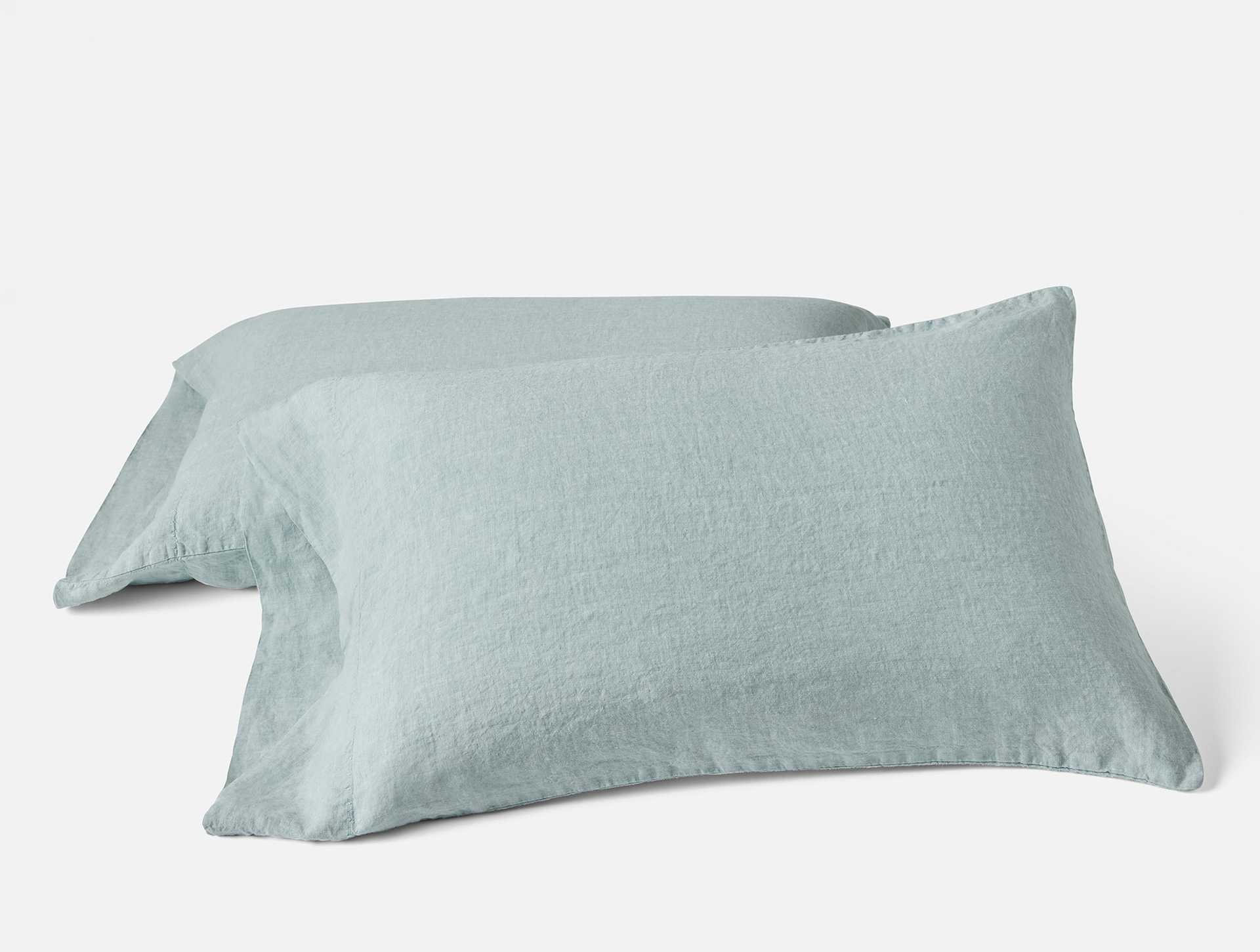
Texture offers a subtle way to build dimension without introducing a busy pattern. Pairing a tactile duvet cover with smoother sheets can make the bed feel layered while keeping the palette calm. A linen cover, for example, can be balanced with pillowcases in a complementary fabric or color. Coyuchi’s Organic Relaxed Linen Pillowcases are described as organic flax linen grown in France and woven in Portugal, with pick-stitched cuffs and a plant-based finish. They may be relevant if you are considering a coordinated linen layer, though the cover and pillowcases should be assessed as separate items with their own specifications and care instructions.
For a composed rather than overly matched bed, repeat one element—such as a tone, weave, or natural texture—while allowing other layers to differ. A plain cover can sit comfortably beside a narrow stripe or a subtly contrasting pillowcase. The result feels intentional without requiring a perfectly uniform set. Let the duvet remain the largest visual plane, then use smaller details to give the bed depth.
Make the care label part of the decision
A beautiful cover is at its best when its upkeep fits your routine. Before purchasing, check the manufacturer’s care instructions, including recommended water temperature, wash cycle, detergent guidance, drying method, and any limits on bleaching or ironing. Care instructions can vary by fabric, finish, and construction. Do not assume that all linen or all cotton should be washed in precisely the same way.
Consider the size of your washing machine as well. A duvet cover needs space to move freely in the drum. Overloading can leave detergent poorly rinsed and make it harder for the fabric to wash evenly. If the cover is large relative to your machine, a larger-capacity washer may be more practical. Wash it with compatible items and avoid mixing it with garments or textiles that have hooks, rough trims, or hardware that could catch on the fabric.
Use the care label as the authority for temperature and drying. Lower-impact settings may be appropriate for some textiles, but follow the specific instructions for the cover you own. Remove the cover promptly when the cycle ends, and make sure it is fully dry before storing or putting it back on the bed. Damp fabric can develop an unpleasant musty smell, particularly when folded or left in a laundry basket.
Ironing is a matter of preference as well as care. Some people like a crisp, pressed finish; others prefer the soft, lived-in character of natural creasing. If you choose to iron, follow the stated temperature guidance. For an easier bed-making routine, put the cover on while it is still slightly warm from drying only if its care instructions allow it, then smooth the fabric and let it finish settling on the insert. Avoid using heat beyond the recommended setting in pursuit of a perfectly uncreased surface.
Build a realistic laundry rhythm into your decision. If you want to change bedding frequently, straightforward washing and drying instructions may matter as much as the initial hand of the fabric. If you are comfortable with more attentive care, a more particular finish may still suit your habits. There is no virtue in selecting a textile whose maintenance feels like a chore you do not want to take on.
Read product details with a careful eye
Product pages can make comparison easier when you know which details to seek. Start with the full dimensions, listed materials, construction, included pieces, and care instructions. Confirm whether the item is a duvet cover alone or part of a set, and check whether pillow shams or other accessories are included or sold separately. If the description mentions corner ties, note whether the insert needs matching loops. When a detail is not stated, ask the retailer rather than filling in the gap with an assumption.
Certifications and origin information can help clarify how a textile is sourced or made, but understand what each statement refers to. A certification may apply to a particular fiber or production process rather than every aspect of a finished item. Look for the scope of the claim and any supporting details supplied by the manufacturer. Clear, specific information is more useful than broad sustainability language without explanation.
Thread count is not a complete measure of comfort or durability, particularly when comparing different fibers and weaves. A higher number does not automatically mean a better cover. Focus first on material, construction, dimensions, finish, and care. Those are the details most likely to influence how the cover feels, fits, and performs in everyday use.
Pay attention to what is not promised, too. Descriptions of breathability or temperature regulation communicate qualities associated with a fabric, not a guaranteed sleep outcome for every person. Comfort is individual. A responsible comparison weighs the stated characteristics against personal experience and the rest of the bedding arrangement.
A simple checklist before you choose
Before settling on a Coyuchi duvet cover, take a moment to work through the practical questions. A short checklist can prevent the most common mismatches and keep the decision grounded in how you actually use your bed.
- Measure the insert. Compare its actual dimensions with the cover’s measurements rather than relying on the bed-size label alone.
- Check the fastening system. Confirm the type of opening and whether interior ties are included; make sure they will work with the insert.
- Choose by hand and weave. Decide whether you prefer the texture of linen, the crispness of percale, or the smoother feel of sateen, where those options are available.
- Review the complete care instructions. Consider your washer, dryer, schedule, and willingness to follow any special guidance.
- Confirm what is included. Check whether the listing is for one cover or a set and whether matching shams are separate.
- Think about the room. Consider light, wall color, existing bedding, and whether you want a flexible neutral or a more expressive focal point.
- Separate preference from claims. Use descriptions as helpful information, but make the final choice according to your own comfort and habits.
How to make the bed look and feel finished
Once the cover is chosen, a few small habits can make the entire bed more inviting. Turn the cover inside out when changing it, attach the insert at the corners, and roll or shake the layers into place before reversing the cover over the duvet. This approach helps the insert reach the corners without excessive tugging. Give the duvet a final lift and settle it over the bed so the filling distributes evenly.
Think in layers, but do not add them automatically. A flat sheet can create separation between the sleeper and duvet cover; some people enjoy that extra layer, while others prefer direct contact with the cover. A blanket at the foot of the bed can add warmth and a contrasting texture when needed. Pillows can repeat the cover’s color or introduce a restrained accent. The aim is comfort first, with styling emerging from practical choices.
Allow the fabric to develop its character. Linen’s relaxed creases, cotton’s particular drape, and the changing softness of well-used bedding can contribute to a room’s atmosphere. A bed does not need to look untouched to look considered. When the fit is right and the layers are chosen with intention, a little ease in the fabric can feel more welcoming than an overly rigid finish.
The best cover is the one that works in real life
Choosing among Coyuchi duvet covers is ultimately an exercise in balancing touch, fit, appearance, and care. A cover that suits your insert will stay more orderly. A fabric that feels right to you will make the bed a pleasure to return to. A color and texture that work with the room will feel at home well beyond a single season. And a care routine you can maintain will help the cover remain part of everyday life rather than a special-occasion layer.
Start with measurements, then check the ties and closure. Compare materials and weave in relation to your own preferences instead of treating general fabric claims as guarantees. Finally, read the washing instructions and make sure they fit the way you handle laundry. When these practical details align, the visual choices become easier—and a duvet cover can deliver both the polished bed you want and the comfort you will notice night after night.