Understanding Mercantile Influence on Linen Trade: A Primer for Students
Explore how mercantile systems shaped the linen trade, from guilds and tariffs to supply routes and pricing. This primer offers accessible explanations and practical context for students beginning their study of trade history and textiles.
Keywords: mercantile system, linen trade, textile history, tariffs and trade, guilds, historical trade routes
In a world where fabrics carry more than color and texture, linen emerges as a thread that binds commerce, culture, and craftsmanship. The mercantile systems that once stitched together continents—driven by merchants, guilds, tariffs, and imperial ambitions—shaped how linen traveled from flax fields to fabric markets. This primer invites you to step into the layered history of linen as a globally traded commodity, tracing routes that spanned the Baltic to the Mediterranean, and into the markets of Northern Europe, the British Isles, and beyond.
To understand linen’s mercantile journey, we begin with the concept of the mercantile system itself. Characterized by state-backed trade promotion, navigation acts, and guild-controlled production, mercantile economies prioritized a favorable balance of trade and the accumulation of wealth through the export of finished goods and the import of raw materials. Linen, with its long-standing demand for durable textiles and its significance in household and nautical life, occupies a central place in many mercantile narratives. The story of linen is, in many ways, a story of networks: of flax growers, spinners and weavers, middlemen, ship captains, port merchants, and the bustling stalls of urban markets.
Key Actors and Timelines: A Short Guide
Medieval and Early Modern Roots — Linen production traces back to flax cultivation in Northern Europe, with strong guild oversight in places like Flanders, the Low Countries, and parts of Germany. Linen’s adaptability for clothing, sails, and household textiles made it a cornerstone of early trade, with mills and weavers forming close relationships with merchants who sought reliable supply and consistent quality.
Mercantile Expansion and the Atlantic World — As mercantile routes expanded to the Atlantic and Indian Oceans, linen found markets across Europe, Africa, and the Americas. Tariffs, monopolies, and licensing shaped who could export flax, who could import finished linens, and how cloth would be taxed, weighed, and priced at the dockside. The linen trade also intersected with other staple fibers, influencing profitability and fashion across eras.
Industrial Advances and Global Sourcing — The advent of mechanized weaving, improved flax processing, and transoceanic shipping redefined linen production. A global network emerged, linking flax growers in France and Belgium with mills across Portugal and Italy, and distribution hubs in the United Kingdom, the Baltic states, and beyond. This era also saw evolving standards in measurement, packing, and quality control—elements that remain relevant in trade today.
Three Key Figures Across Time
To bring this history to life, consider three pivotal figures whose work and ideas helped shape linen markets and mercantile theory in distinct centuries:
-
Geoffrey Chaucer (c. 1343–1400) — Early Merchant-Writer
A poet of the late medieval period, Chaucer’s world was one where merchants, guilds, and provincial markets defined urban life. Though not a merchant in the strict sense, his works illuminate the social economy of trade in medieval England, including the perception of linen as a valued good—an emblem of quality, status, and utility in households and trades. -
Olaus Magnus (1490–1557) — Chronicler of Northern Trade
A Swedish writer and cartographer who documented northern European commerce and navigation, Magnus’s accounts help readers understand how linen moved through Baltic ports, how ship routes were chosen, and how port towns organized trade hubs that sustained weaving and finishing industries. -
Léonard de Vinci (1452–1519) — Art, Industry, and Prototypical Industrial Thought
While best known for art and science, the era of de Vinci’s life framed a burgeoning curiosity about material properties, machine assisted production, and the efficiency of textile fabrics. His era foreshadowed the mechanization and standardization that would later redefine linen production and mercantile exchange.
Core Concepts: Guilds, Tariffs, and Routes
Guilds formed the backbone of linen production in many regions. They controlled training, quality, and pricing, ensuring that linen goods met established standards before entering the market. Guilds also served as mutual protection societies for craftspeople, providing negotiation power against external commercial pressures. Tariffs and duties on flax, yarn, and finished linen goods regulated competition, protected domestic industries, and influenced the pricing strategies of merchants who stacked costs along supply chains from farm to market.
Trade routes—whether overland via the Hanseatic League or maritime convoys crossing the North Sea and the Baltic—shaped the availability and price of linen. Geopolitics and piracy, weather and seasonality, and port infrastructure all affected how quickly linen moved from flax fields to dressmakers’ ateliers and ship sails. Readers can see how a single decision at a port—whether to levy a tariff on raw flax or finished cloth—could ripple through a guild’s payroll, a weaver’s livelihood, and a merchant’s ledger.
Practical Primer: Reading Trade Data and Early Tables
For students beginning their journey, a few practical steps can illuminate the mercantile context of linen:
- Learn common terms: tariff, duty, guild, premium, price index, yield, and ballast (used for ships carrying goods).
- Understand measurement systems: linen was often priced and measured by ell, yard, and linen cloth width, with regional variations in sizing and grading.
- Compare finished goods vs. raw materials: prices and margins differ depending on whether merchants controlled flax cultivation, flax processing, weaving, or finishing.
- Map routes: sketching simple routes from flax-growing regions to textile centers helps visualize global trade dynamics and the roles of ports and intermediaries.
To bring these concepts to life, we’ll examine a notable piece of linen mercantile history through a modern lens: the Layla Linen Duvet Cover by DownTown Company. This item embodies the enduring appeal of linen and echoes mercantile values—crafted from stone-washed flax, produced in Portugal with century-long textile expertise, and finished with hemstitch and flange detailing. The Layla duvet cover illustrates how linen remains a tactile bridge between historical craft and contemporary design.
Product Spotlight: Layla Linen Duvet Cover
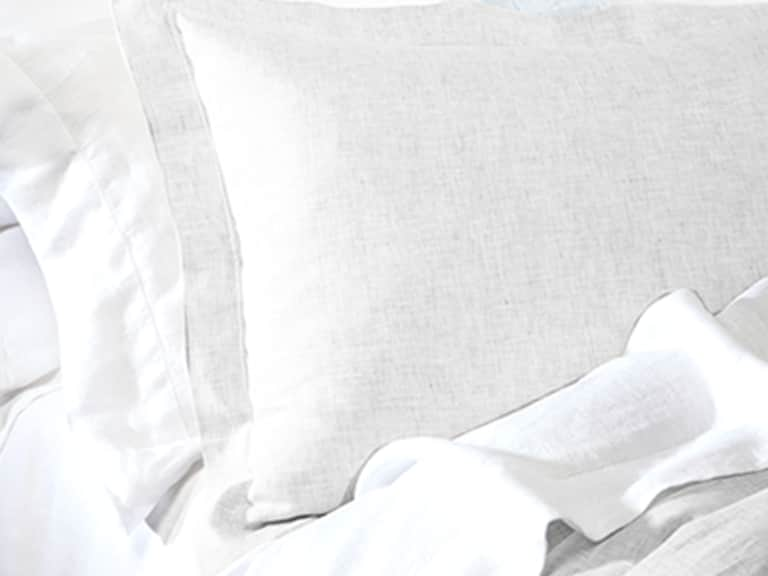
The Layla Linen Duvet Cover, from the DownTown Company, is a modern example of linen’s tactile allure and mercantile heritage. It is crafted from 100% flax linen that’s stone-washed for softness, a nod to linen’s natural evolution from robust textile to refined home accessory. The finished look—clean white with hemstitch and a tailored flange—evokes a timeless, almost archival feel that resonates with the notion of a curated linen line within a mercantile universe.
Product name: DownTown Company Layla Linen Duvet Cover
Material: 100% flax linen, stone-washed
Origin: Portugal, with flax sourced in Europe
Finish: Hemstitch detail, flange
This piece demonstrates how a mercantile-informed approach to textiles can translate into furniture-grade comfort. The stone-washed linen offers a lived-in softness that deepens with each wash, mirroring linen’s historical journey from sturdy workwear to luxurious bedding. In a Vogue-worthy setting, such linens pair elegantly with neutral palettes, letting texture and weave take center stage as a statement of timeless taste.
Aesthetic Considerations: Linen as a Lifestyle Choice
Linen carries a unique narrative of climate-conscious design and durable luxury. Its breathability, moisture management, and temperature regulation echo mercantile trade values of efficiency and reliability. The cool hand of linen against the skin in summer and its warmth in winter creates a versatile, year-round wardrobe for the home’s sleeping spaces. The mercantile lens invites readers to consider how a textile’s origin story—where it’s grown, spun, woven, and finished—contributes to its final price, performance, and perceived luxury.
As fashion and interior design communities increasingly emphasize sustainability and transparency, linen’s lifecycle—from flax to finished product—serves as a model for responsible sourcing. The Layla Linen line, with its Portugal-based production and long-standing textile expertise, underscores how modern brands can honor traditional craft while delivering contemporary comfort. This fusion of history and modernity is precisely the essence of the mercantile-linen narrative we explore here.
Glossary: Mercantile Terms for Students
A quick reference to terms that often appear in trade histories and linen market studies:
- Tariff: A tax imposed on imported or exported goods, often used to protect domestic industries or generate revenue.
- Guild: A medieval or early modern association of artisans or merchants who oversee the practice of their craft in a particular area, including linen weaving.
- Ell/Yard: Units of measurement used for textiles; regional differences existed in length and weight.
- Mercantile system: An economic policy framework that emphasizes state-backed trade expansion, with a focus on exporting finished goods and controlling imports to maximize national wealth.
- Supply route: The pathway by which raw materials and finished goods travel from producers to markets, often spanning oceans and continents in mercantile networks.
Further Reading and Resources
To deepen your understanding, consider exploring sources that illuminate textile history, mercantile practice, and linen production. University libraries, trade archives, and open-access museum collections offer primary sources and curated bibliographies. Look for materials that discuss guild structures, port customs, tariff schedules, and ship manifests to triangulate the linen trade’s economic dimensions with its cultural and aesthetic significance.
Begin with beginner-friendly primers that explain mercantile concepts in accessible language, then progress to primary documents and scholarly analyses. This approach mirrors how fashion and interiors communities absorb new information: start with a compelling narrative, then anchor your understanding in data, terms, and historical context.
Closing Reflections: The Linen-Mercantile Continuum
The story of linen within mercantile history is more than a tale of textiles; it is a narrative about how people organized, exchanged, and elevated everyday materials into enduring symbols of craft and luxury. From guilds to global routes, linen has traveled through hands across time, leaving behind a trace of elegance, resilience, and meticulous care. As readers and students, we don’t simply learn about a fabric—we discover a lineage of commerce, culture, and design that continues to inform modern aesthetics and supply chains. In this light, linen becomes not only a textile but a living document of human collaboration, ingenuity, and taste.
Editorial Notes: Craft, Context, and Curiosity
This article fuses fashion-forward prose with scholarly nuance, aiming to satisfy both casual readers and serious students. The Vogue-inspired voice emphasizes elegance, rhythm, and narrative texture while maintaining informative clarity. The mercantile-linen thread threads together historical insight with modern design sensibility, inviting readers to appreciate textiles as living artifacts of trade, culture, and craft.